
A Closet That Cares: Fabric Preservation Without Plastic

Today we’re diving into plastic-free closet storage strategies to preserve fabrics, focusing on breathable materials, gentle organization, and time-proven care. Expect practical swaps, science-backed guidance on moisture and pests, and relatable anecdotes that help you protect cherished garments while keeping your space beautiful, calm, and aligned with sustainable values you can actually maintain day to day.

Why Going Plastic‑Free Protects Your Wardrobe

Plastic often traps humidity, releases odors, and encourages stale, compressed storage that shortens a garment’s life. Natural alternatives breathe, help regulate moisture, and reduce risks of mildew, yellowing, and fiber stress. You’ll learn how breathable storage preserves shape, color, and hand feel, while also cutting microplastic shedding that ends up on clothing and in the environment.

Hidden Costs Of Plastic In Closets

Sealed plastic boxes can create a microclimate where humidity rises even from clean fabrics, inviting mildew and unpleasant odors. Off‑gassing and static also contribute to fading and lint. Over time, elastic and delicate blends lose resilience in airtight plastic, whereas breathable storage supports natural fiber recovery between wears.

Breathability Extends Fiber Longevity

Cotton canvas bins, unbleached garment bags, and wooden hangers allow subtle airflow that helps moisture equalize. This reduces fiber swell and stress points, preserves drape, and minimizes wrinkles setting in. When garments can gently breathe, wool retains bounce, linen releases creases more easily, and silks avoid that brittle, desiccated feel.

A Small Closet Epiphany

I once opened a plastic tub to find a favorite wool cardigan slightly musty and flattened. After airing, brushing, and moving to a cotton bag with cedar, the cardigan regained loft and scent. That simple switch reminded me: fabrics respond to the environment we create for them every single day.

Natural Containers And Hangers That Work

{{SECTION_SUBTITLE}}

Choose Hangers That Respect Shape

Opt for contoured wooden hangers for structured jackets and coats, and wide‑shoulder designs for heavier fabrics that need support. Stainless steel clips with rubberless, fabric‑safe pads protect hems without leaving imprints. Avoid thin wire that distorts seams; instead, align hangers by type to reduce friction and snagging between garments.

Containers Without A Trace Of Plastic

Canvas bins with sturdy cardboard sides, lidded rattan baskets, and archival, acid‑free boxes keep items organized and safe. For small accessories, repurpose glass jars or enamel canisters. Line containers with unbleached cotton to reduce fiber transfer, and add labeled kraft cards for visibility without relying on sticky plastic sleeves or adhesives.

Moisture, Airflow, And Light Control
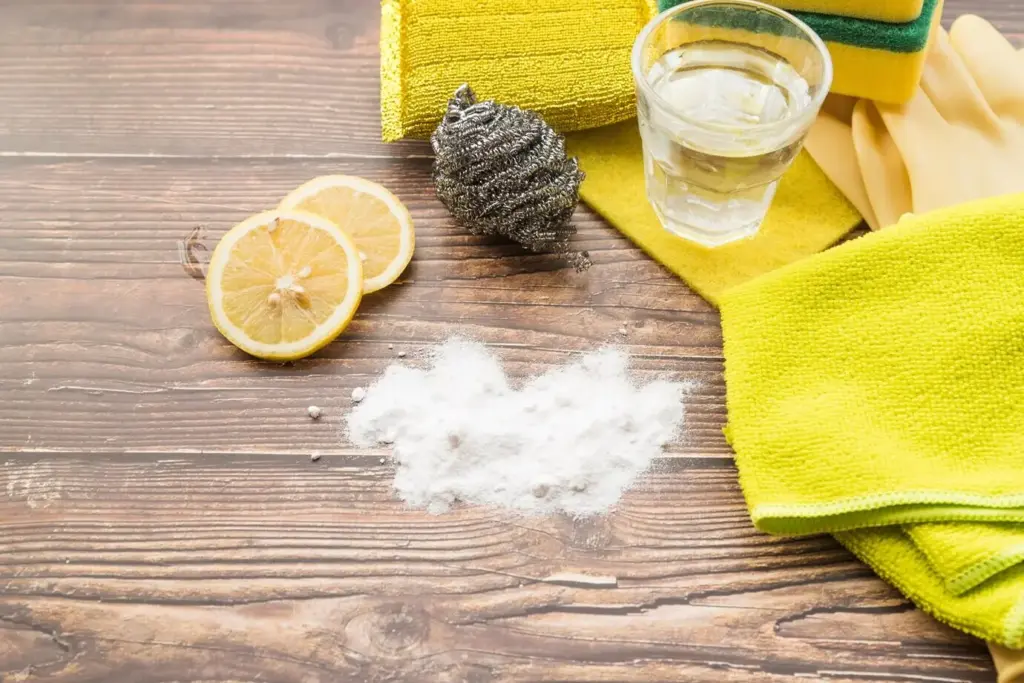
Preserving fabrics is about balance: keep humidity near 45–55%, encourage gentle airflow, and protect from harsh light. Instead of sealed plastic, use ceramic or clay desiccants, activated charcoal sachets, and louvered doors or periodic airing. Shield colors with cotton covers, and rotate hangers so each piece gets breathing room and light breaks.

Build A Scent Barrier

Tuck cedar blocks or sachets of lavender, rosemary, or cloves into cotton pouches near wool and cashmere. Rotate or sand cedar lightly every few months to refresh aroma. Distribute scents rather than crowding one spot, creating a consistent, gentle barrier that deters pests without overwhelming your own senses or irritating fibers.

Clean Before You Store

Food oils and skin residues attract moths. Launder or dry‑clean appropriately before seasonal storage, then brush wool with a natural bristle brush to remove larvae‑tempting lint. For questionable items, seal in a paper bag and freeze for 48–72 hours, then air thoroughly before returning to breathable containers or cotton covers.

Repair, Then Rest

Tiny holes or loose seams invite bigger damage. Mend promptly, secure buttons, and reinforce high‑stress areas before storing. A quick stitch today prevents unraveling months later. Keep a small, non‑plastic sewing kit nearby with metal needles, cotton thread, and fabric scraps, so maintenance becomes a quick habit rather than a postponed task.

Folding, Hanging, And Arrangement
Different textiles need different support. Fold knits and heavy sweaters to prevent stretching; hang wovens with structure on supportive hangers. Avoid stacking too high, interleave with acid‑free tissue, and space garments to minimize abrasion. A thoughtful layout prevents stress points, keeps silhouettes crisp, and simplifies getting dressed with less rummaging.

Fold To Prevent Stress

For sweaters, fold sleeves behind the torso and stack no more than four high. Interleave with acid‑free tissue for friction control and shape retention. Store on a cool shelf, not in airtight boxes. For scarves, roll loosely and place in a shallow, lined drawer to maintain drape and softness over seasons.

Hang With Shape Memory

Use contoured hangers for coats and blazers, adding removable cotton shoulder guards where needed. Hang pants by the hem on padded, stainless bars to reduce creases. Silk blouses appreciate smooth wooden hangers. Always button or zip lightly to support structure, but never torque closures, which can distort seams and collar roll over time.

Arrange For Longevity

Group by weight and fabric family so heavier pieces do not press on delicate ones. Keep frequently worn items at hand height to reduce tugging. Dedicate an airy corner for special garments with more clearance. Place cedar or lavender nearby, and leave a finger’s width between hangers to minimize friction and lint transfer.

Paper And Fabric Labels

Create durable labels from thick kraft cards or cotton tape, writing in pencil for easy edits. Tie with twill tape to handles or hangers. Color‑code by season or fiber type to speed retrieval. This avoids adhesive residues from plastic stickers and keeps categories clear without introducing synthetic films or complicated systems.

An Inventory Habit

Keep a small notebook or a minimal app list of what’s folded, hung, or boxed, plus pest checks and refresh dates. Note cedar sanding reminders and laundering plans. This record prevents overbuying, highlights gaps, and encourages mindful care. Consider sharing templates with friends and subscribing for quarterly prompts and printable checklists.

Sustainable Laundry And Prep Before Storage

Thoughtful prep is your best defense. Use gentle detergents without synthetic softeners, rinse thoroughly, and fully dry before putting anything away. Steam instead of high‑heat ironing when possible, de‑pill carefully, and brush wool. These small habits keep fibers strong, reduce odors, and set the stage for plastic‑free storage success.

Wash Wisely To Protect Fibers

Choose enzyme‑appropriate detergents for protein fibers like wool and silk, and cool water for colorfastness. Avoid synthetic softeners that coat and attract dust. Use a mesh cotton wash bag for delicate items. After washing, reshape gently and dry flat where needed, ensuring zero dampness enters storage to prevent unpleasant surprises later.

Drying And Dewrinkling

Air‑dry on wooden racks or cotton‑covered hangers, away from direct sun. Steam wrinkles rather than scorching them with high heat. For linen, a light mist and smoothing by hand preserves texture. Allow complete cooldown before folding or bagging. This patient pacing protects finishes, buttons, and delicate seams from heat stress and distortion.

Final Inspection Checklist

Before storage, run a quick checklist: clean, dry, mended, brushed, and labeled. Add cedar or lavender, note the date, and leave breathing space. Photograph rare pieces for your inventory. If you found these steps helpful, subscribe for monthly care reminders and share your favorite plastic‑free storage tricks so our community grows wiser together.

Xavurukarefipuzexutu
Privacy Overview

This website uses cookies so that we can provide you with the best user experience possible. Cookie information is stored in your browser and performs functions such as recognising you when you return to our website and helping our team to understand which sections of the website you find most interesting and useful.