Fresh Clothes, Smaller Footprint

Welcome! Today we’re diving into low-waste stain removal methods using common household ingredients, turning pantry staples into dependable helpers that rescue fabric without extra plastic or harsh chemicals. Expect clear steps, honest cautions, and stories from lived messes, so your laundry wins feel repeatable, thrifty, and genuinely gentler on our shared planet.

Assemble Your Low-Waste Stain Kit

Patch Testing and Color Confidence

Always test in a hidden corner first. Fabrics and dyes behave differently, and even gentle ingredients can shift color or finish. Dab a tiny amount, wait, then blot and inspect under bright light. This small habit protects favorite garments, preserves texture, and lets you proceed with calm, evidence-based choices rather than guesswork or panic-fueled scrubbing.

Pantry Staples With Real Cleaning Power

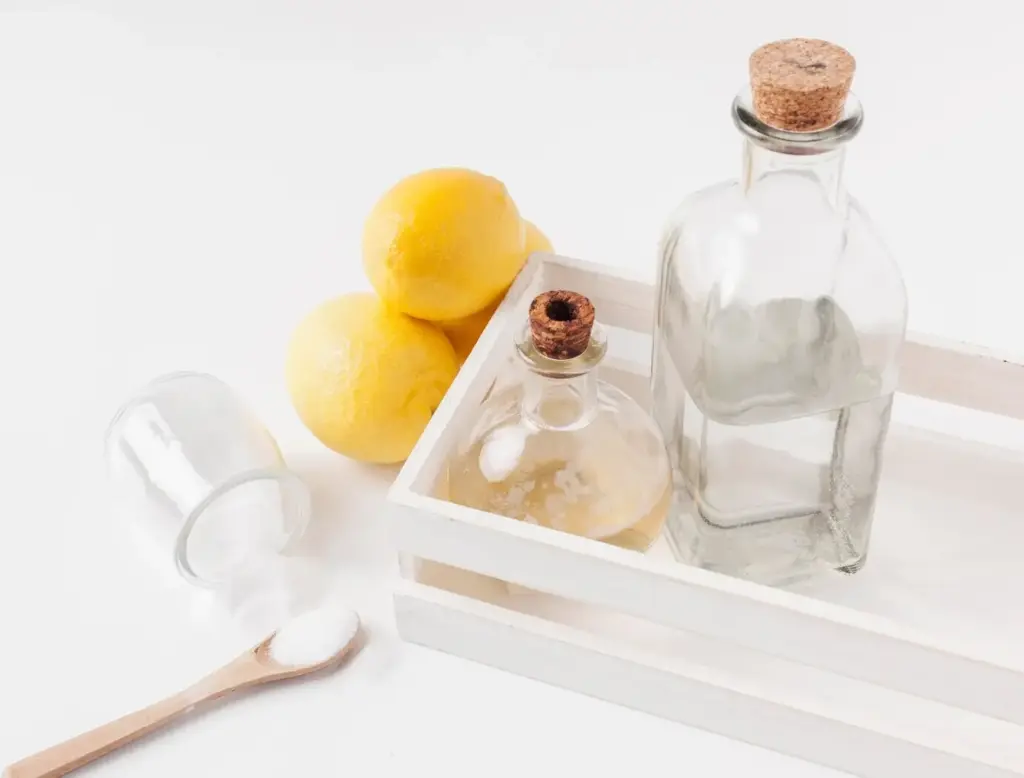
Baking soda lifts odors and buffers mild acids, vinegar dissolves mineral residues and tackles many discolorations, lemon juice brightens under sunlight, salt absorbs and slows spreading, and club soda helps loosen fresh tannins. Cornstarch pulls oils to the surface, while gentle dish soap breaks grease bonds. These familiar items earn their shelf space by solving frequent laundry emergencies sustainably and affordably.

Tools You Already Own, Reimagined

A dedicated soft toothbrush agitates precisely, cotton rags replace countless paper towels, and a small spray bottle lets you mist instead of soak. Use a dull butter knife or loyalty card to lift solids without smearing. A glass jar mixes pastes neatly. Reusing sturdy essentials prevents waste, cuts clutter, and keeps responses quick, measured, and fabric-friendly.

Tackling Protein-Based Spills Without Waste

Protein stains like blood, milk, yogurt, egg, and sweat respond best to cool temperatures, patience, and gentle agitation. Avoid heat, which can lock proteins into fibers. Start with cold water rinses, apply simple pastes, and use oxygen-releasing action from 3% hydrogen peroxide on colorfast lights only. Slow, careful steps beat frantic scrubbing while respecting delicate weaves and finishes.
Rinse from the back of the fabric with cold water to push proteins out rather than deeper in. Sprinkle salt or apply a baking soda paste to lift residues. For light, colorfast items, dab 3% hydrogen peroxide and blot gently. Repeat cycles are better than forceful rubbing. Pause between attempts, letting fibers relax and release without damage.
Scrape any solids with a dull edge, then soak the area in cool water. Massage a small amount of mild dish soap to loosen fatty proteins without flooding the fabric. Follow with a baking soda paste to buffer acidity and freshen. Rinse thoroughly, reassess under daylight, and repeat light touches as needed. Keep heat away until fully removed.
Mix one part distilled white vinegar with two parts cool water and apply to sweaty areas to dissolve salts and deodorize. Gently brush with a soft toothbrush, then rinse well. For persistent yellowing on light fabrics, apply a thin baking soda paste, rest, and rinse again. Finish with shade drying to prevent new marks, keeping fibers resilient and breathable.

Grease and Oil, Handled the Clean Way

Absorb First, Then Lift With Care

Blot any pooled oil gently, avoiding smearing. Cover the spot with cornstarch or baking soda and let it sit fifteen to thirty minutes to draw out residues. Tap or brush off, then repeat for stubborn areas. This patient, powder-first method reduces detergent use, protects fibers, and sets you up for an easier, more successful final wash.

Dish Soap Micro-Emulsions to the Rescue

Place the fabric flat over a towel, then massage one small drop of mild dish soap into the stain with a fingertip or soft toothbrush, working from edges inward. Add a trickle of cool water to activate, blot, and repeat lightly. Minimal product, targeted motion, and short dwell times keep colors true and finishes smooth, avoiding needless soaking.

Set-In Grease: Slow, Layered Progress

For older oil marks, cycle through powder absorbent, dish soap, and brief rest periods. A warm—not hot—rinse can help after progress appears. If colorfast, finish with a club soda splash to loosen lingering residues. Document what worked, note fabric response, and share results with others. Collective experience turns tricky repeats into confident, low-waste routines.

Coffee, Wine, Tea, and Juices: Plant Stains Made Simple

Tannins and natural dyes move quickly, so immediate, gentle action matters. Blot rather than rub, then reach for club soda, diluted vinegar, or a cautious mix of 3% hydrogen peroxide on white cottons. Salt can slow spreading, while cool water flushes help. Thoughtful handling preserves drape, avoids over-wetting, and replaces panic with practical, repeatable motions you can trust.

Ink and Marker: Controlled Alcohol Dabs

Slide cardboard or a folded cloth behind the spot to prevent bleed-through, then dab isopropyl alcohol with a cotton swab from edges inward. Blot, breathe, and repeat gently. Rinse cool and reassess in daylight. If progress stalls, pause before escalating. Slow cycles prevent halos, protect weave integrity, and reinforce that measured micro-steps beat dramatic, wasteful soaks.

Tomato Sauce and Turmeric: Patience Over Panic

Lift any sauce solids with a dull tool, flush cool water from the back, then apply a mild dish soap lather. Follow with a baking soda paste to buffer and brighten. On white cottons, a cautious, brief sun exposure assists fading after thorough rinsing. Expect incremental improvement across rounds. Resist rubbing frenzies, which grind pigments deeper and stress fibers unnecessarily.

Odor, Mildew, and Sun: Freshness Without Extra Bottles

Freshness comes from clean chemistry and airflow, not overpowering fragrances. Vinegar neutralizes many lingering smells, baking soda moderates acidity, and sunlight can brighten whites while discouraging stale odors. Dry thoroughly, avoid humid piles, and circulate air. Gentle routines prevent mildew, protect elastic, and help favorite garments feel quietly renewed, even after demanding training sessions, kitchen adventures, or rainy commutes.
Xavurukarefipuzexutu
Privacy Overview

This website uses cookies so that we can provide you with the best user experience possible. Cookie information is stored in your browser and performs functions such as recognising you when you return to our website and helping our team to understand which sections of the website you find most interesting and useful.