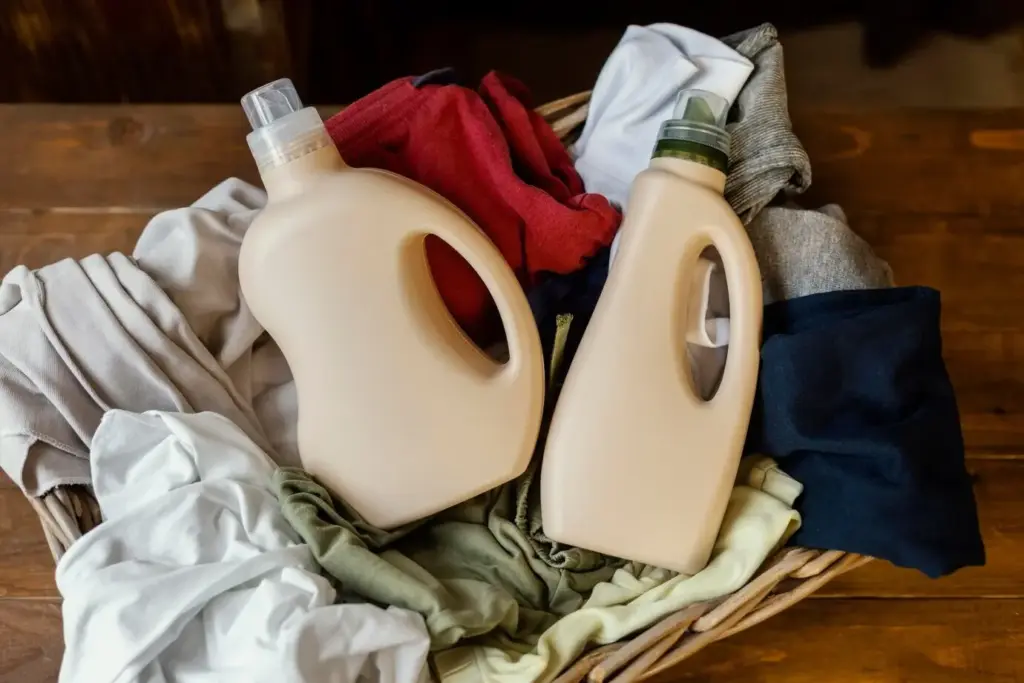
Fresh Wardrobes, Cleaner Planet: Make-At-Home Wash Day Essentials
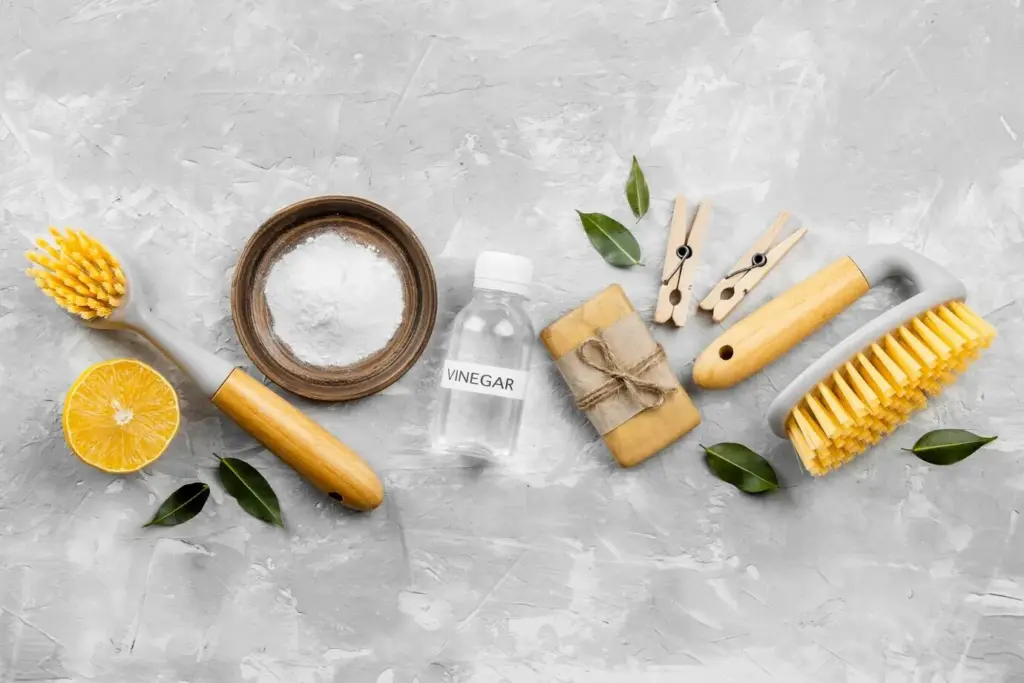
Today we’re diving into DIY natural laundry detergents and softeners for sustainable garment care, exploring simple, proven methods that protect fabric, skin, and waterways. Expect approachable formulas, ingredient explanations, science-backed choices, troubleshooting tips, and inspiring stories from real routines. Join the comments, ask questions, and share your favorite tweaks so we can learn, refine, and celebrate small, consistent changes that add up to cleaner clothes and a lighter footprint together.

Choose Ingredients That Respect Skin, Fabrics, and the Planet
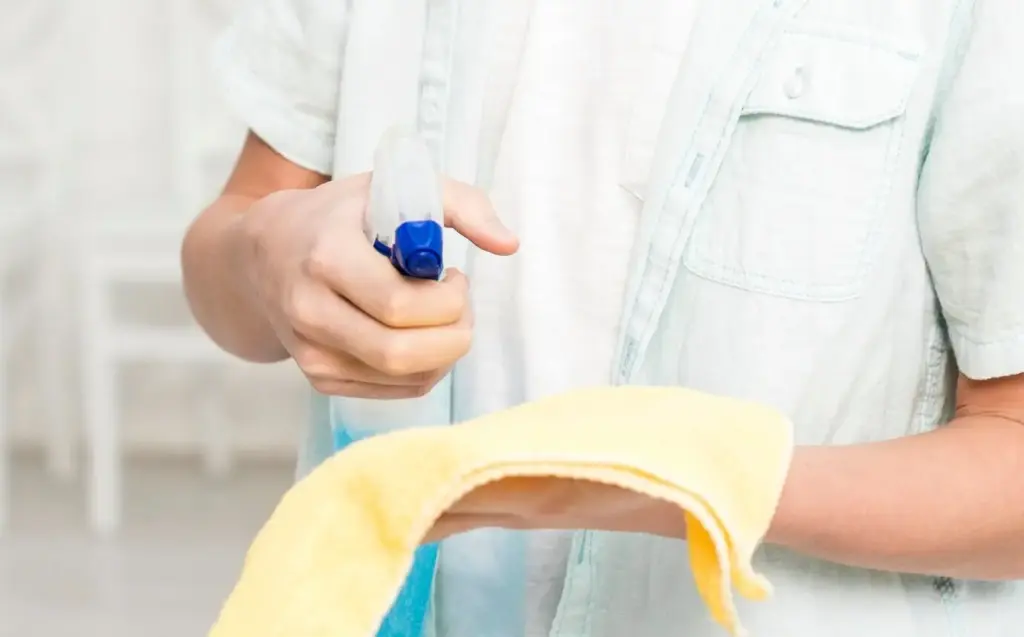
Build your kit around honest, recognizable staples that clean efficiently without unnecessary fragrance cocktails or brighteners. Castile soap, soap flakes, washing soda, baking soda, oxygen bleach, citric acid, and white vinegar form a versatile foundation. Use essential oils thoughtfully and sparingly. Consider water hardness, fabric types, and sensitivities before mixing. Share your regional sourcing tips, bulk strategies, and allergy-friendly swaps in the discussion so others can find accessible, affordable options without compromising effectiveness, safety, or the feel of beloved garments.

Gentle Surfactants That Actually Lift Soil
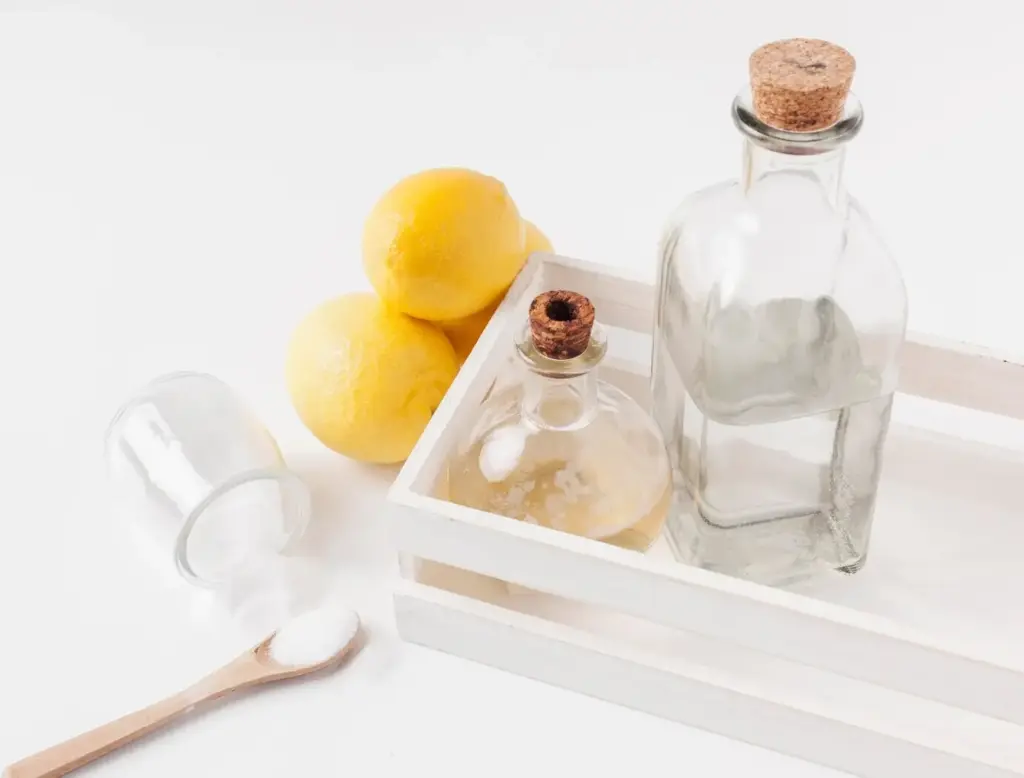
Castile soap and finely grated soap bars deliver a dependable clean without optical brighteners, relying on fatty acid salts to loosen grime. Soapberries can help in soft water, though performance varies. Avoid synthetic fragrances when possible to reduce skin reactivity. Pre-dissolve flakes for liquid blends. If you have hard water, plan an acid rinse to prevent soap scum. Tell us your favorite brands, bar hardness, and grating tricks that speed laundry day without clogging dispensers or leaving residue.

Mineral Helpers for Hard Water and Heavy Loads

Washing soda boosts alkalinity, helping break oily soils, while baking soda moderates odor in a fabric-safe way. Citric acid can bind minerals when used in the rinse, improving softness and color clarity. Oxygen bleach brightens without chlorine, working best warm. Borax is controversial; many households skip it for safety perceptions, so evaluate your comfort and ventilation. Share experiences with zeolites or regional water reports. Together we can fine-tune amounts that respect machines, fibers, and local plumbing systems.

Mix-It-Once Recipes for Powder, Liquid, and Concentrates
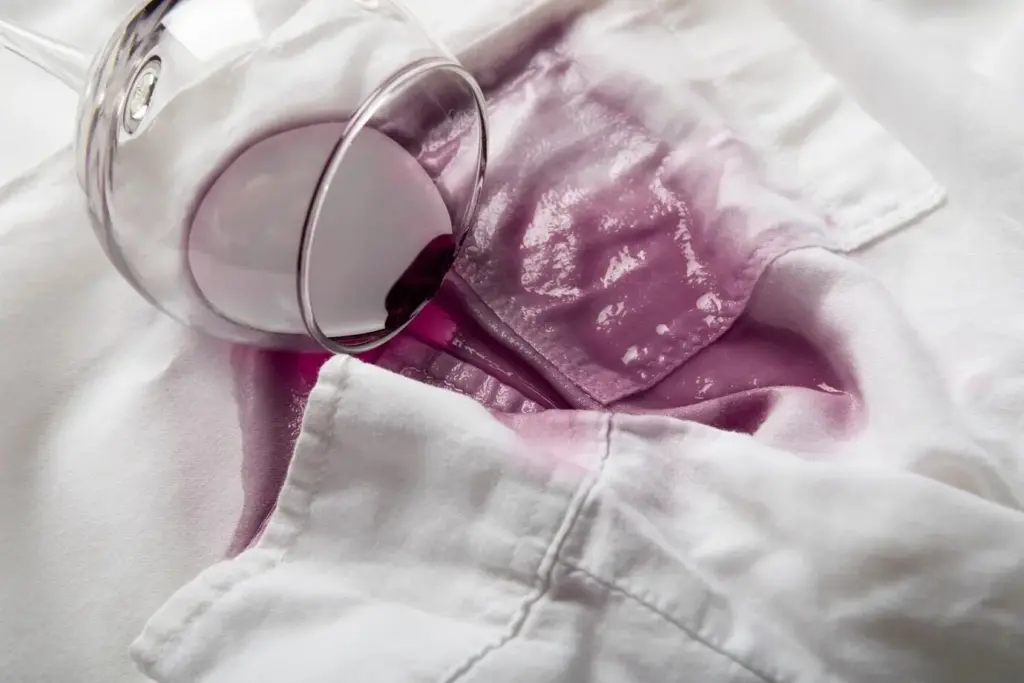
These small-batch formulas fit tiny apartments and busy family schedules. Measure carefully, label jars clearly, and test on inconspicuous fabric first. Adjust for water hardness and machine type; high-efficiency washers need far less product. Keep essential oils optional. Store away from children and pets. Share photos of your mixing setup, scoops that prevent overdosing, and any clever dispensing tricks that reduce spills and waste. Your notes on clumping, settling, and rinse clarity will help others dial in dependable, repeatable results.

Reliable Powder for Everyday Loads

Combine two parts finely grated soap, two parts washing soda, one part baking soda, and an optional one part oxygen bleach for whites. Use one to two tablespoons for a standard load, less for high-efficiency machines. Pre-dissolve powder for cold washes. Store airtight to prevent clumping. Add a separate vinegar or citric rinse for hard water. Share your scoop size, favorite grater, and whether you prefer adding oxygen bleach only to light colors to protect prints and delicate finishes.

Easy Liquid Using Castile Soap

Mix warm water with liquid castile soap and a small portion of dissolved washing soda to create a gentle, low-foaming cleaner. Shake before each use because separation is natural. Use a quarter cup per regular load, less for high-efficiency machines. Expect fewer suds than commercial detergents; cleaning comes from contact time and agitation. Label the date, and make small batches monthly for freshness. Comment with your settling observations, preferred dilution, and dispenser hacks that prevent thick mixtures from clogging drawers.

Keep Colors Bright, Towels Fluffy, and Delicates Protected

Fabric care is all about nuance. Cotton and linen appreciate thorough rinsing and balanced pH, while protein fibers like wool and silk prefer gentle, neutral environments with minimal agitation. Towels stay absorbent without commercial softeners when residues are controlled. For synthetics, prevent microplastic shedding with slower spins, cooler temperatures, and fine-mesh bags. Tell us what you’ve learned about wash temperatures, line drying, and rotating routines seasonally. Your insights help others avoid pilling, dullness, and stretched necklines while maintaining long-term comfort.

The Useful Chemistry Behind Clean, Fresh, and Soft
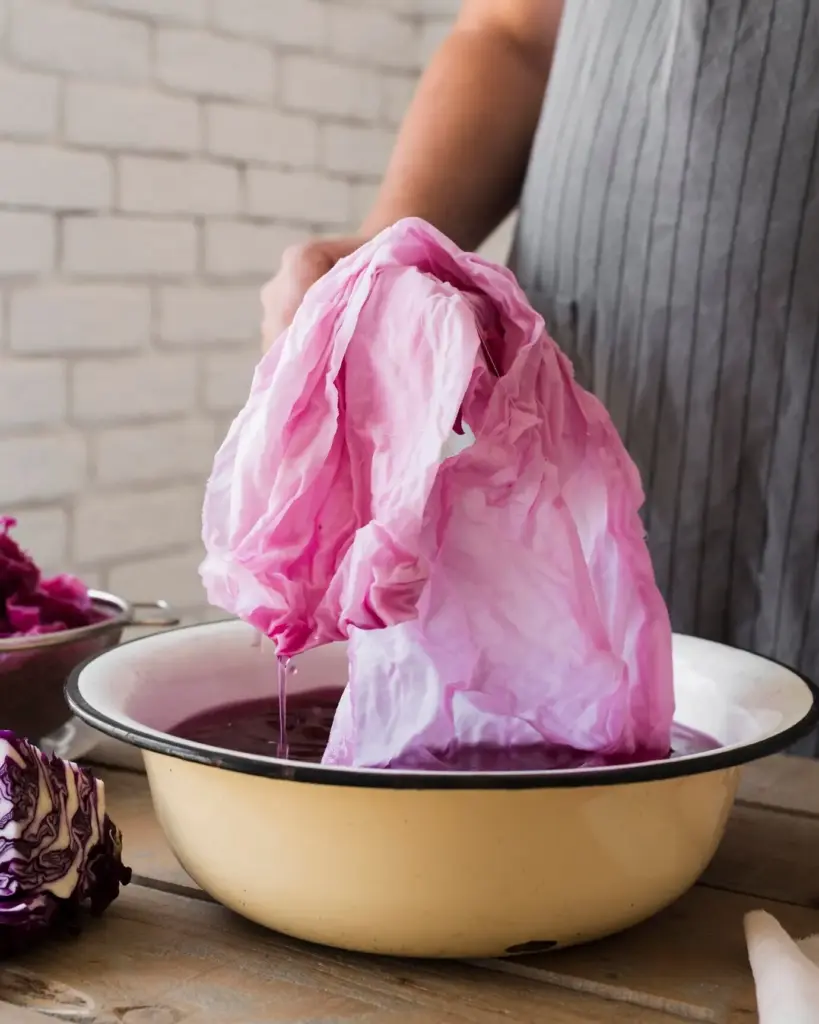
A little science makes decisions easier. Soils respond differently to alkalinity, temperature, and agitation, while minerals in hard water interfere with soap. Manage pH intentionally: wash on the alkaline side, then neutralize lightly in the rinse. Use chelators like citrate to keep minerals dissolved. Avoid counterproductive pairings such as neutralizing your own cleaner mid-wash. Share your hard water numbers, regional quirks, and what measurements improved your loads most. Evidence-based tweaks beat guesswork, saving time, money, and frustrating rewashes.

Save Money, Cut Waste, and Track Real Results

DIY blends often cost pennies per load, eliminate plastic jugs, and reduce shipping weight. Buy in bulk, share with friends, and refill glass jars for an inspiring, tidy laundry shelf. Keep notes on stain performance, softness, and machine behavior to guide tweaks. If you’re converting family members, start with one reliable recipe, then invite feedback on fragrance and feel. Comment with your savings math, packaging alternatives, and donation ideas for excess supplies. Collective accountability helps these habits stick for good.

Real-World Cost Per Load

Calculate cost by dividing ingredient price by batch yield, then by scoops per load. Many readers report five to ten cents per wash versus twenty to forty cents commercially. Factor electricity and water, too. Avoid overdosing; precision saves money and reduces residue. Share spreadsheets, receipts, and where you found affordable washing soda or citric acid locally. Transparent numbers build trust and motivate new adopters, especially renters and students seeking predictable budgets without sacrificing cleanliness, comfort, or the sensory joy of freshly laundered clothing.

Packaging and Plastic Footprint

Buying dry ingredients in bulk paper sacks or reusable buckets slashes plastic waste compared with large liquid jugs. Glass jars with tight lids keep powders dry and look inviting on shelves. Consider community co-ops to split bulk purchases. Reuse labels and include safety notes. In comments, post your storage setups and any humidity challenges you solved. Small organization wins make routines effortless, and a beautiful station nudges consistent habits, helping family members measure correctly while proudly reducing recycling overload week after week.

Measure What Matters

Track rinse clarity, fabric feel, odor control after sweaty workouts, and whether towels stay absorbent. Note how white cotton ages with oxygen bleach cycles. Keep a quick log on your phone, then refine dosage or timing. Invite household feedback on scent neutrality and softness. Share your before-and-after photos, machine maintenance steps, and any unexpected improvements, like fewer itchy patches. Collective learning accelerates mastery and keeps morale high as we prove that simpler ingredients can outperform complicated blends with confidence and consistency.

Fix Stains, Odors, and Machine Issues Without Harsh Chemicals

Stain Logic That Respects Fibers

Grease wants alkalinity and patience; dab with diluted soap, then wash warm. Protein stains like blood need cool water and no enzymes on wool or silk. Tannins from coffee prefer oxygen bleach, not soap scrubbing. Practice blotting, not rubbing. Sunlight can lift some discoloration on white cottons. Keep a stain stick near hampers for fast action. Share your timeline tricks and what saved favorite shirts, so others can adapt steps without panicking or overloading garments with incompatible treatments that backfire.

Odors, Mildew, and Long-Soak Strategies

Stubborn smells often yield to longer contact time, a warm wash, and a follow-up acid rinse. For athletic gear, use mesh bags, shorter spins, and thorough air-drying. Treat mildew with oxygen bleach soaks and clean your machine’s drain traps. Run a maintenance cycle monthly. Leave the door ajar between washes. Post your success with hydrogen peroxide on musty towels or deep-clean schedules that finally ended gym-bag odors. Community timelines help others replicate success without escalating chemicals or compromising elastic performance unintentionally.

Labeling, Storage, and Safety Basics

Write clear names, ingredients, and batch dates on every container. Keep powders dry, childproof lids secure, and formulas away from pets. Never mix acids with chlorine bleach. Limit essential oils, dilute thoroughly, and patch-test fabrics when in doubt. Store scoops inside jars to reduce spills. Refresh small batches monthly to maintain potency. Share your labeling templates, shelf ideas, and emergency plans if someone accidentally ingests or splashes a solution. Responsible routines protect households and keep our helpful, low-impact practices sustainable long-term.
Xavurukarefipuzexutu
Privacy Overview

This website uses cookies so that we can provide you with the best user experience possible. Cookie information is stored in your browser and performs functions such as recognising you when you return to our website and helping our team to understand which sections of the website you find most interesting and useful.