
Wear Your Repairs: The Art and Joy of Visible Mending

Start with Tools, Fabric Sense, and a Playful Plan
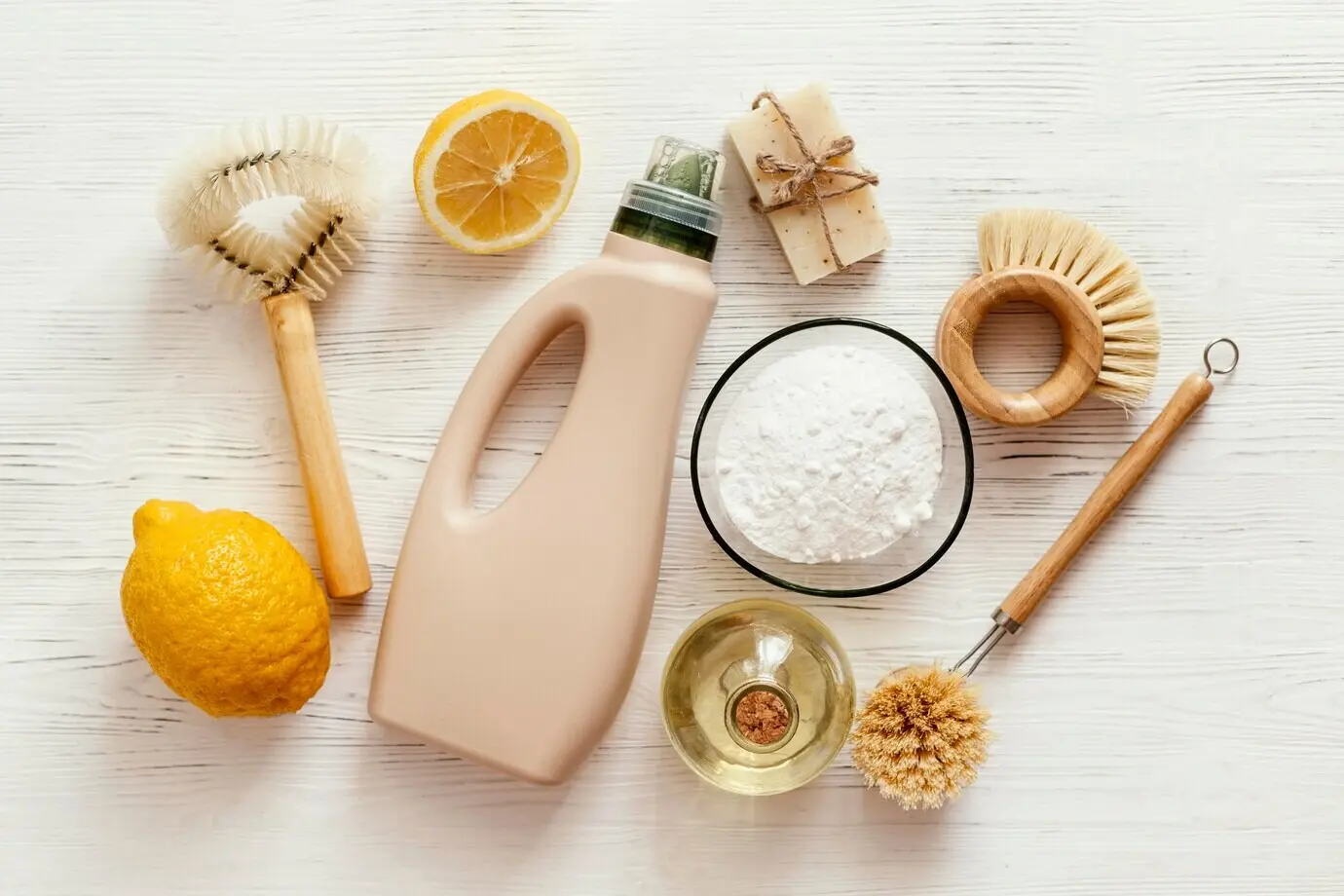
Build a Toolkit That Invites Daily Use
Assess Garments with Calm, Practical Curiosity
Design Repairs That Balance Strength and Style
Sashiko Lines That Reinforce and Illuminate

Darning for Knits and Wovens, From Subtle to Bold
Patches with Personality and Purpose
Soft Edges or Bold Borders
Turned edges reduce chafing on elbows and inner thighs, while raw edges secured with dense blanket or whip stitches deliver fierce character and honest texture. Test placement with safety pins and perform a movement check: bend, squat, and reach. Aim stitches slightly beyond the damage to prevent stress concentration. In bumpy zones, cut arcs instead of corners to avoid peeling. Pick contrasting thread to frame the patch like intentional, wearable artwork.
Upcycled Fabrics, Color Play, and Texture
Harvest patches from retired shirts, cuffs, and hems to honor history and minimize waste. Combine indigo with sun-faded chambray, or enliven neutrals with cheerful checks. Vary thread sheen and thickness for tactile interest. Align patterns with grain for stability, or deliberately rotate for dynamic energy. Document combinations you love so future repairs echo a cohesive style, turning a collection of mends into a gallery of personal color stories and practical resilience.
Securing Stress Points for Longevity
Before stitching the perimeter, stabilize with an internal patch or lightweight fusible interfacing to distribute load. Reinforce corners with tiny bar tacks or short zigzag lines that stop snags. Add discreet stay-stitches where seams intersect, especially on pockets, cuffs, and knees. When a garment flexes, your patch should flex too, so test after every few stitches. A careful approach now prevents later fraying, keeping the repair smooth, secure, and wonderfully wearable.
Care, Washing, and Ongoing Strength
Confidence, Creativity, and Everyday Style
Sustainability Wins and Budget Relief
Environmental Benefits You Can See
Smart Spending, Lower Cost per Wear
Community, Skill-Sharing, and Access
All Rights Reserved.