
Fresh Wardrobes, Cleaner Planet: Make-At-Home Wash Day Essentials
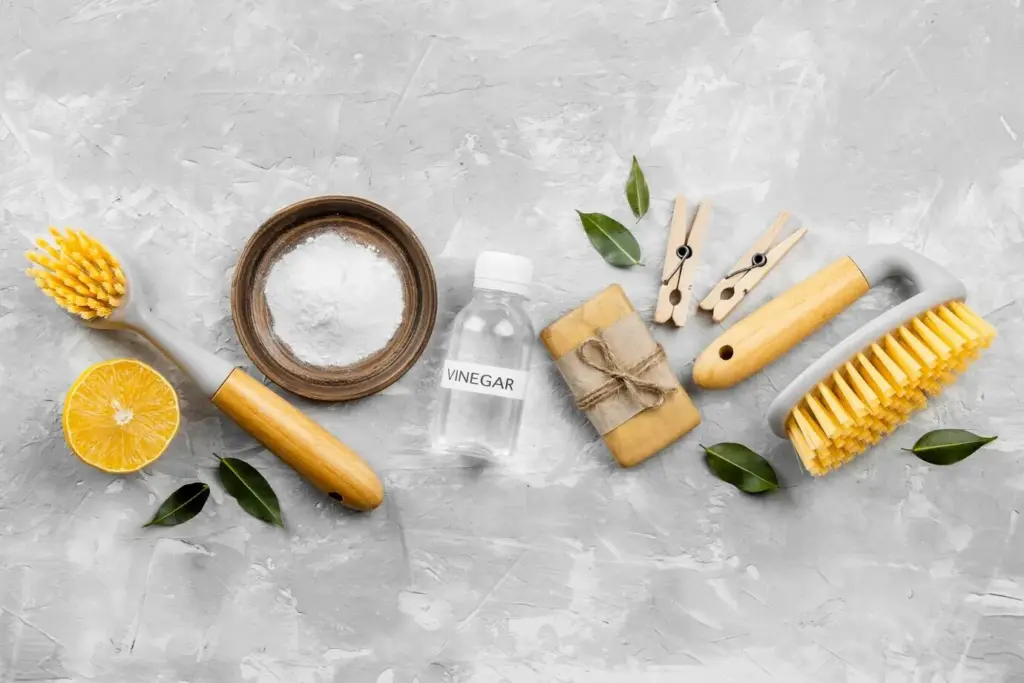
Choose Ingredients That Respect Skin, Fabrics, and the Planet

Gentle Surfactants That Actually Lift Soil

Mineral Helpers for Hard Water and Heavy Loads
Mix-It-Once Recipes for Powder, Liquid, and Concentrates

Reliable Powder for Everyday Loads

Easy Liquid Using Castile Soap
Keep Colors Bright, Towels Fluffy, and Delicates Protected
The Useful Chemistry Behind Clean, Fresh, and Soft
Save Money, Cut Waste, and Track Real Results
Real-World Cost Per Load
Calculate cost by dividing ingredient price by batch yield, then by scoops per load. Many readers report five to ten cents per wash versus twenty to forty cents commercially. Factor electricity and water, too. Avoid overdosing; precision saves money and reduces residue. Share spreadsheets, receipts, and where you found affordable washing soda or citric acid locally. Transparent numbers build trust and motivate new adopters, especially renters and students seeking predictable budgets without sacrificing cleanliness, comfort, or the sensory joy of freshly laundered clothing.
Packaging and Plastic Footprint
Buying dry ingredients in bulk paper sacks or reusable buckets slashes plastic waste compared with large liquid jugs. Glass jars with tight lids keep powders dry and look inviting on shelves. Consider community co-ops to split bulk purchases. Reuse labels and include safety notes. In comments, post your storage setups and any humidity challenges you solved. Small organization wins make routines effortless, and a beautiful station nudges consistent habits, helping family members measure correctly while proudly reducing recycling overload week after week.
Measure What Matters
Track rinse clarity, fabric feel, odor control after sweaty workouts, and whether towels stay absorbent. Note how white cotton ages with oxygen bleach cycles. Keep a quick log on your phone, then refine dosage or timing. Invite household feedback on scent neutrality and softness. Share your before-and-after photos, machine maintenance steps, and any unexpected improvements, like fewer itchy patches. Collective learning accelerates mastery and keeps morale high as we prove that simpler ingredients can outperform complicated blends with confidence and consistency.
Fix Stains, Odors, and Machine Issues Without Harsh Chemicals
Stain Logic That Respects Fibers
Odors, Mildew, and Long-Soak Strategies
Labeling, Storage, and Safety Basics
All Rights Reserved.